Eating While Taking Mounjaro or Wegovy: What to Expect and What To Do
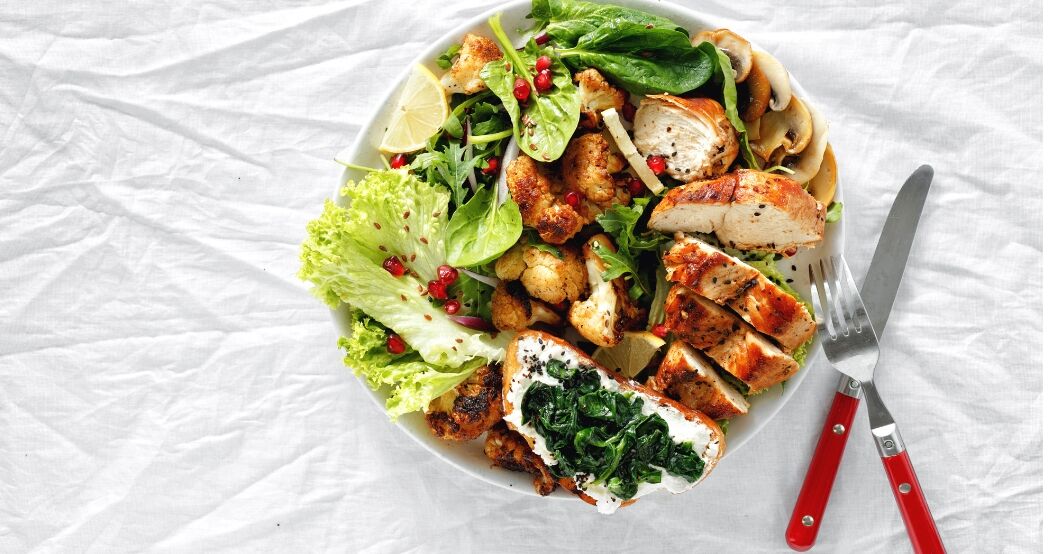
People starting Mounjaro or Wegovy for weight loss are often told they must follow a strict diet. In reality, these medications work by changing how the body regulates hunger, fullness, and digestion — meaning eating habits often adjust naturally, without rigid rules.
Understanding how food intake changes on Mounjaro and Wegovy can help support comfort, nutrition, and long-term weight management without unnecessary restriction.
At Shape⁸, our approach is clinically led and evidence based, focusing on how the body responds to treatment rather than prescribing generic diet plans.
How Mounjaro and Wegovy affect appetite:
Mounjaro and Wegovy act on hormonal pathways involved in appetite regulation and blood sugar control. Many people notice:
- Reduced appetite
- Feeling full sooner during meals
- Less interest in large portions
- Fewer impulsive or emotional eating behaviours
These effects are physiological. The body signals fullness earlier and more clearly.
Why strict diet plans are usually unnecessary:
Traditional calorie counting and rigid meal plans are often unnecessary when using Mounjaro or Wegovy. Research into GLP-1–based treatments shows that overall food intake typically reduces automatically.
Over-restriction can worsen fatigue or nausea, and very low intake may affect muscle mass and energy levels. The goal during treatment is nutritional adequacy, not aggressive restriction.
How eating patterns often change naturally.
Rather than following a special diet, many people notice natural changes, including:
- Smaller meals feeling sufficient
- Reduced snacking
- Preference for lighter meals
- Less tolerance for very rich or greasy foods
These changes reflect how the medication works and usually settle over time.
Protein and muscle support during weight loss:
Weight loss from any method can involve some loss of lean mass. Maintaining regular protein intake helps support muscle function, strength, and recovery.
Rather than tracking numbers, the focus is on including protein regularly throughout the day, particularly when appetite is reduced.
Digestion and food tolerance on Mounjaro and Wegovy.
Both medications slow gastric emptying, meaning food stays in the stomach for longer. Comfort often improves when:
- Meals are smaller and eaten slowly
- Foods are less greasy or heavily processed
- There is time between meals
- Digestive tolerance typically improves as the body adapts.
Snacks when appetite is lower:
Snacking may feel less necessary, but small snacks can help maintain energy. Many people tolerate simple options best, such as:
- Fresh fruit
- Yogurt
- Small portions of nuts or seeds
- Crackers with hummus
- Toast with avocado or nut butter
Portion size often matters more than food choice.
What to drink while taking Mounjaro or Wegovy:
Hydration remains important, as thirst signals may also reduce. Water, herbal teas, and diluted sugar-free drinks are usually easiest to tolerate.
Sugary drinks can add calories without fullness and may worsen nausea or bloating for some people.
Alcohol and Mounjaro or Wegovy:
Alcohol tolerance often changes during treatment. Many people find alcohol feels stronger, increases nausea or indigestion, and contributes to dehydration.
Alcohol is best avoided at the start of treatment and reintroduced cautiously, if at all, once the body has adjusted.
Foods that may cause discomfort:
Because digestion slows, some foods may feel uncomfortable early on, including:
- Very greasy or fried foods
- Highly processed or sugary foods
- Large portions eaten quickly
- Strongly spiced or acidic foods
This is about recognising personal triggers, not banning foods.
Carbohydrates, fats, and fibre:
All macronutrients still play a role:
- Carbohydrates provide energy and may feel better when slower-digestion
- Fats support fullness but are often better tolerated in smaller portions
- Fibre supports digestion, best increased gradually
There is no universal intake that suits everyone. Comfort matters more than targets.
Avoiding under-eating!
A common early challenge is unintentionally eating too little. Very low intake over time may affect energy, concentration, and physical activity tolerance.
Eating enough to support daily function is an important part of sustainable weight management.
Individual responses vary responses to Mounjaro and Wegovy differ between individuals. Factors such as metabolic health, insulin resistance, PCOS, previous dieting history, and sensitivity to gastrointestinal side effects can all influence experience.
This is why treatment should always be clinically assessed and monitored.
Thinking about losing weight?
If you’re struggling to lose weight and wondering whether Mounjaro or Wegovy may be appropriate, you can learn more and check your eligibility through Shape8.
All treatments are prescribed following a clinical assessment and ongoing review, in line with UK regulations.
Visit shape8.com to take the eligibility check.
How Shape⁸ supports weight loss on Mounjaro and Wegovy;
At Shape⁸, we focus on:
Clinically led assessment and prescribing
Ongoing safety and review
Education based on how the body responds to treatment
Sustainable, long-term weight management
Transparent pricing
No subscriptions or gimmicks
Medication is one part of a responsible, whole-person approach to health.
Key takeaway:
Mounjaro and Wegovy change how the body responds to food. The most effective way to eat while taking these medications is not through strict dieting, but by responding to appetite changes, supporting nutrition, and prioritising long-term health.
Weight loss is not just about eating less, it is about eating appropriately for a body that is functioning.